


The Man Who Fell to Earth


-
Sat 14 Mar
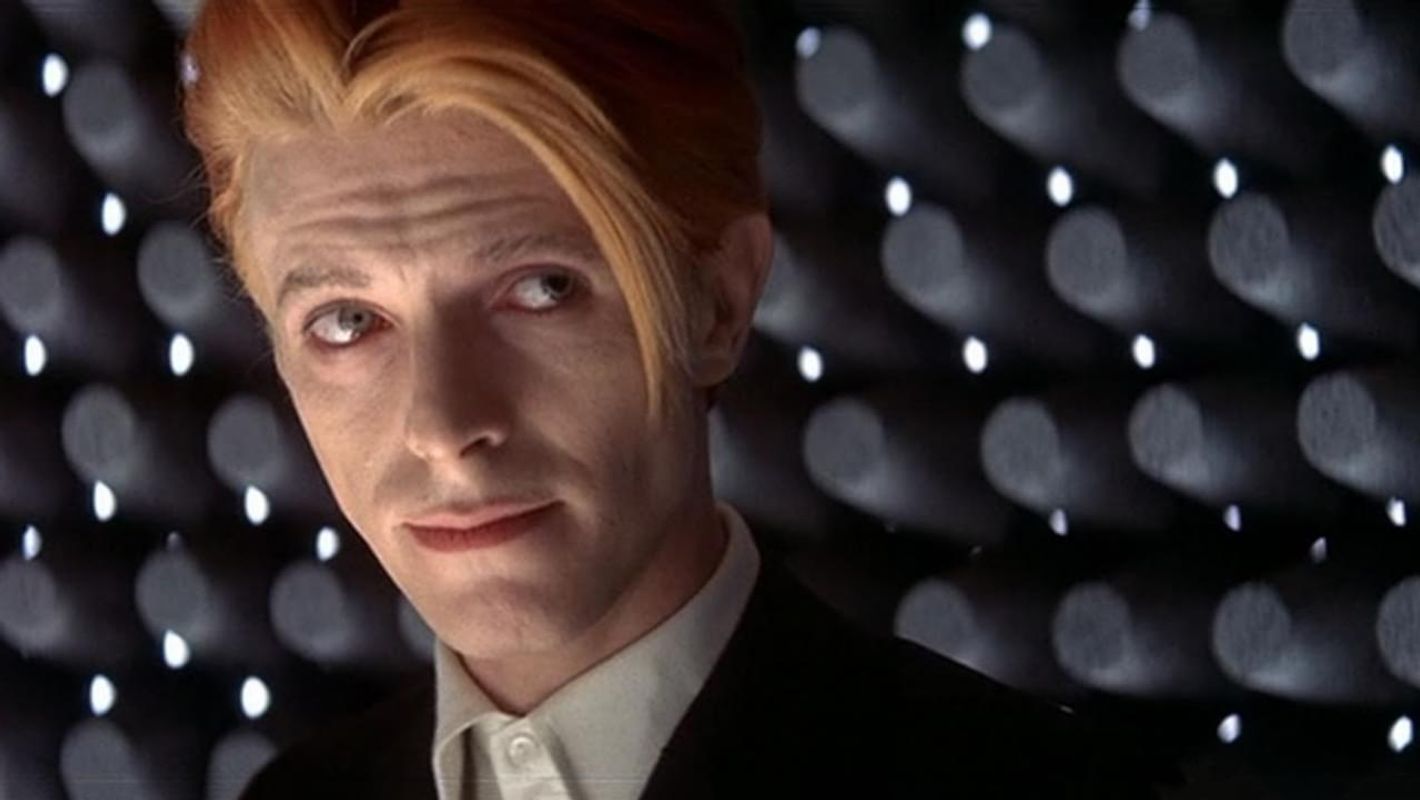
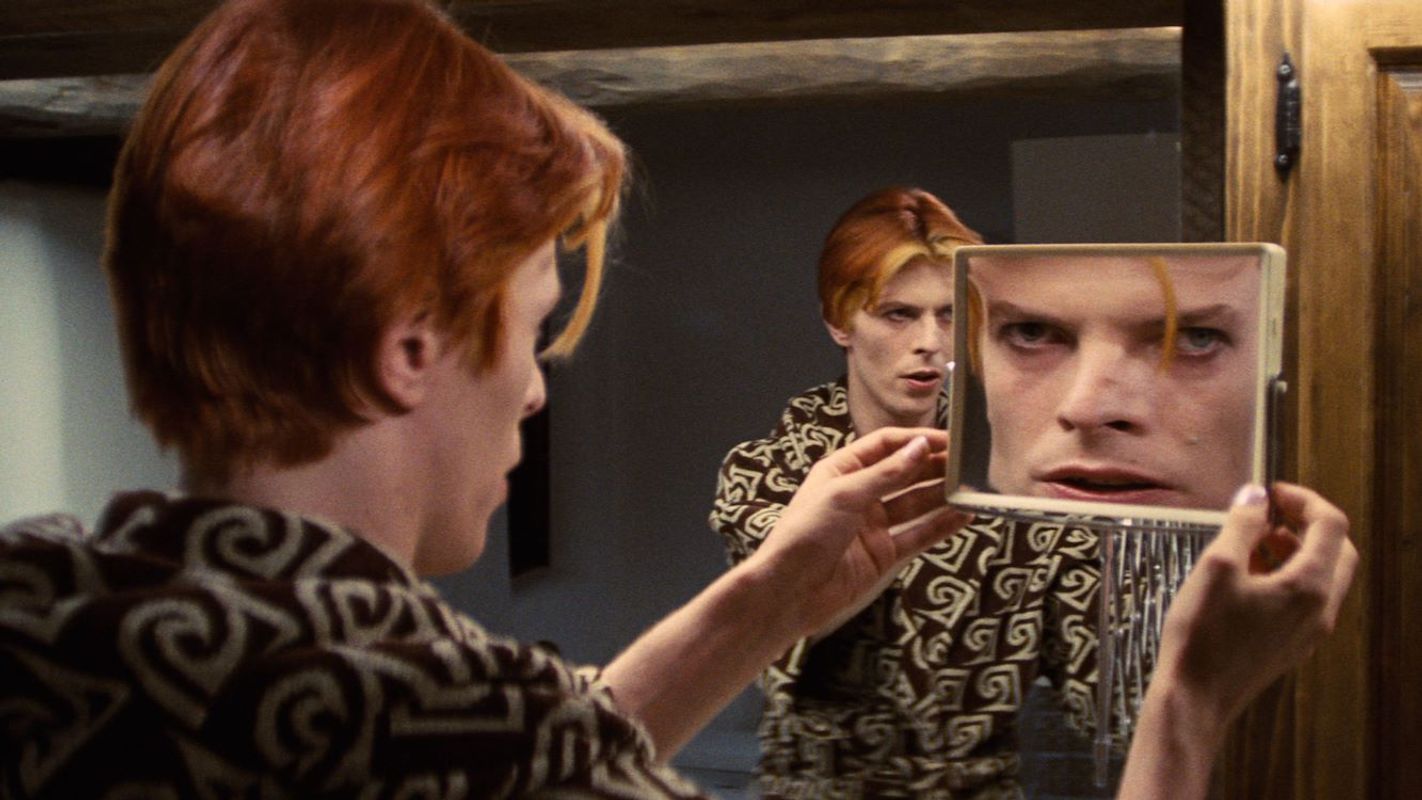
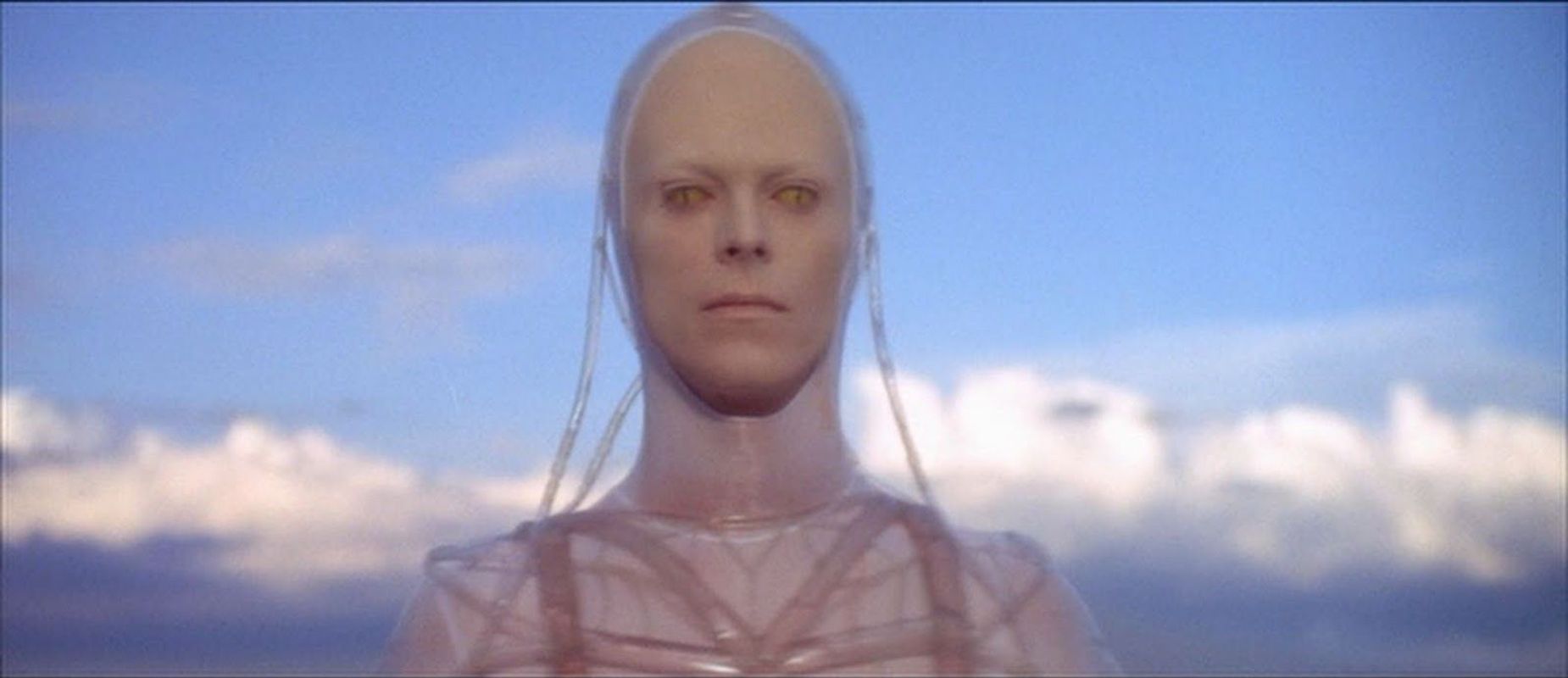
Based on this premise, Roeg constructs a complex stack of allegories for trust, loneliness, lust, and hope. After 50 years, the film remains as elusive, mysterious, philosophical, breathtaking, and meaningful as ever.
Director Nicolas Roeg
Before The Man Who Fell to Earth, Nicolas Roeg was already known for his idiosyncratic films, which were visually and thematically expressive (Performance, 1971) (Don't Look Now, 1973). His style was characterized by daring: unconventional camerawork, revolutionary editing, and the mixing of “banal” reality with metaphysical or poetic images — something that also characterizes The Man Who Fell to Earth. This idiosyncrasy often led Roeg to clash with film studios and censors, especially when it came to explicit scenes or the relationship between art and commerce. In the US, 20 minutes were cut from the film, but of course we are showing the director's cut.
David Bowie as the lead actor
Bowie was cast because of his unique charisma: his measured, somewhat elusive energy. According to Roeg, that charisma suited the role of an alien who does not feel at home on our earth.
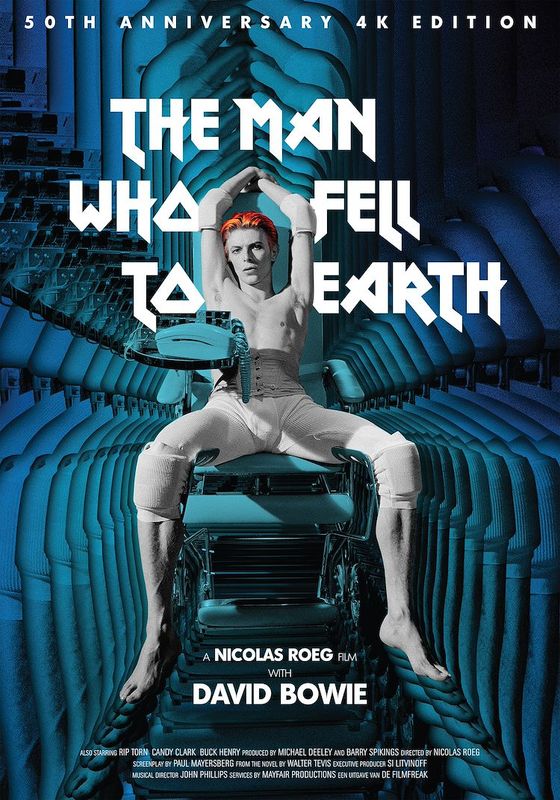
- Direction
- Nicolas Roeg
- Cast
- David Bowie, Rip Torn
- Duration
- 139 min
- RELEASE
- Thu 12 Mar
- Year
- 1976
- Country
- United Kingdom
- Language
- English
- Subtitles
- Dutch