


5 November Special | V for Vendetta



-
Thu 5 Nov
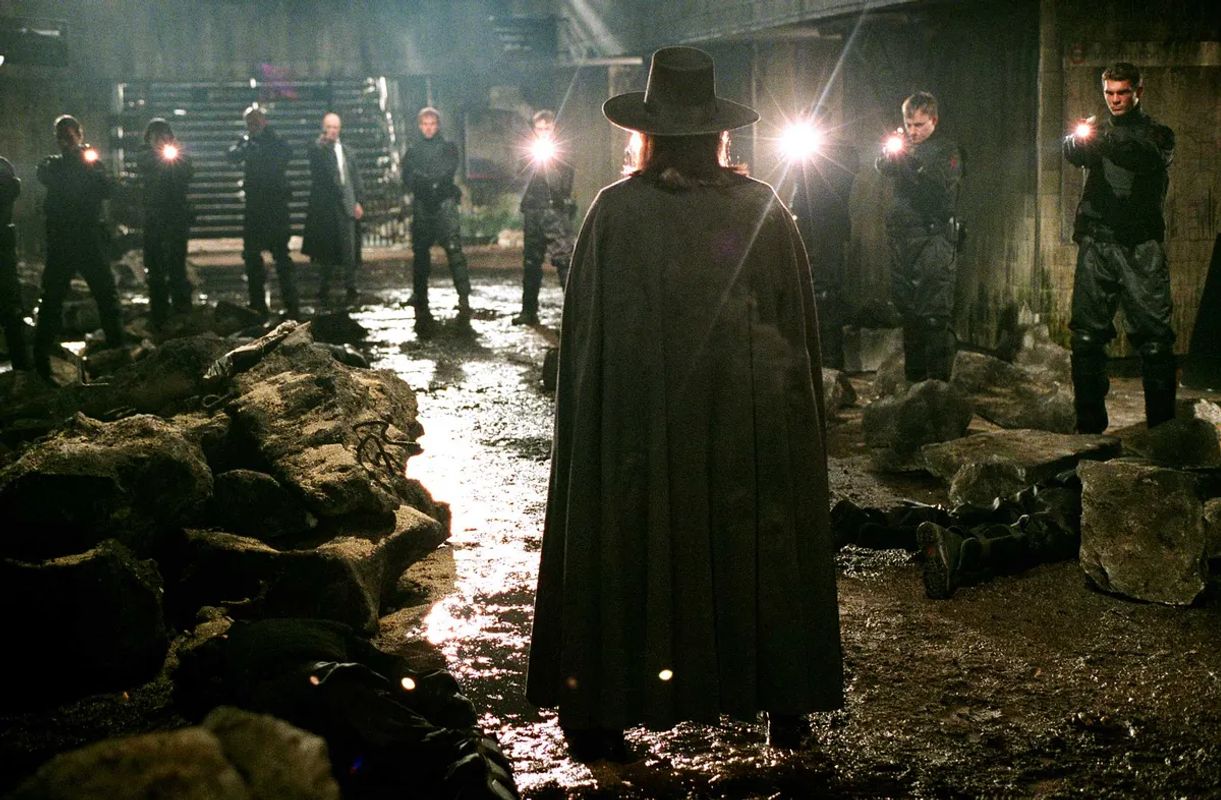
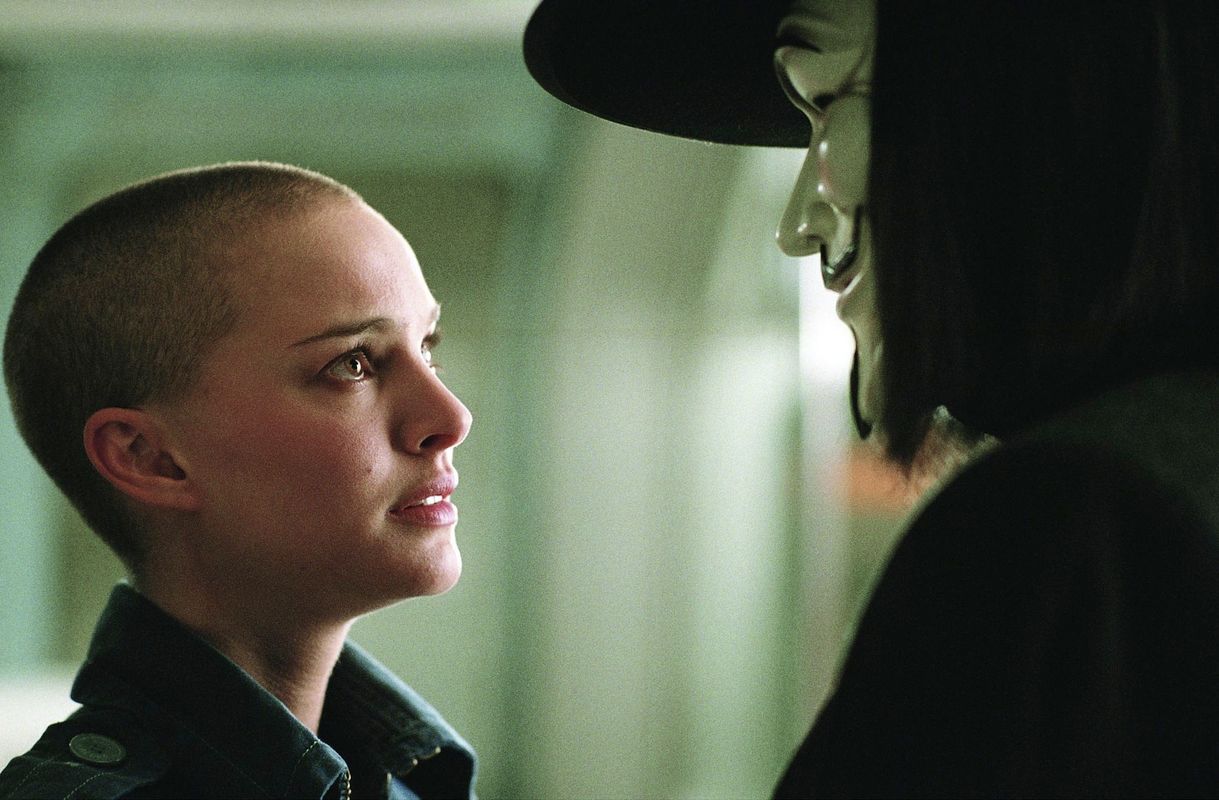
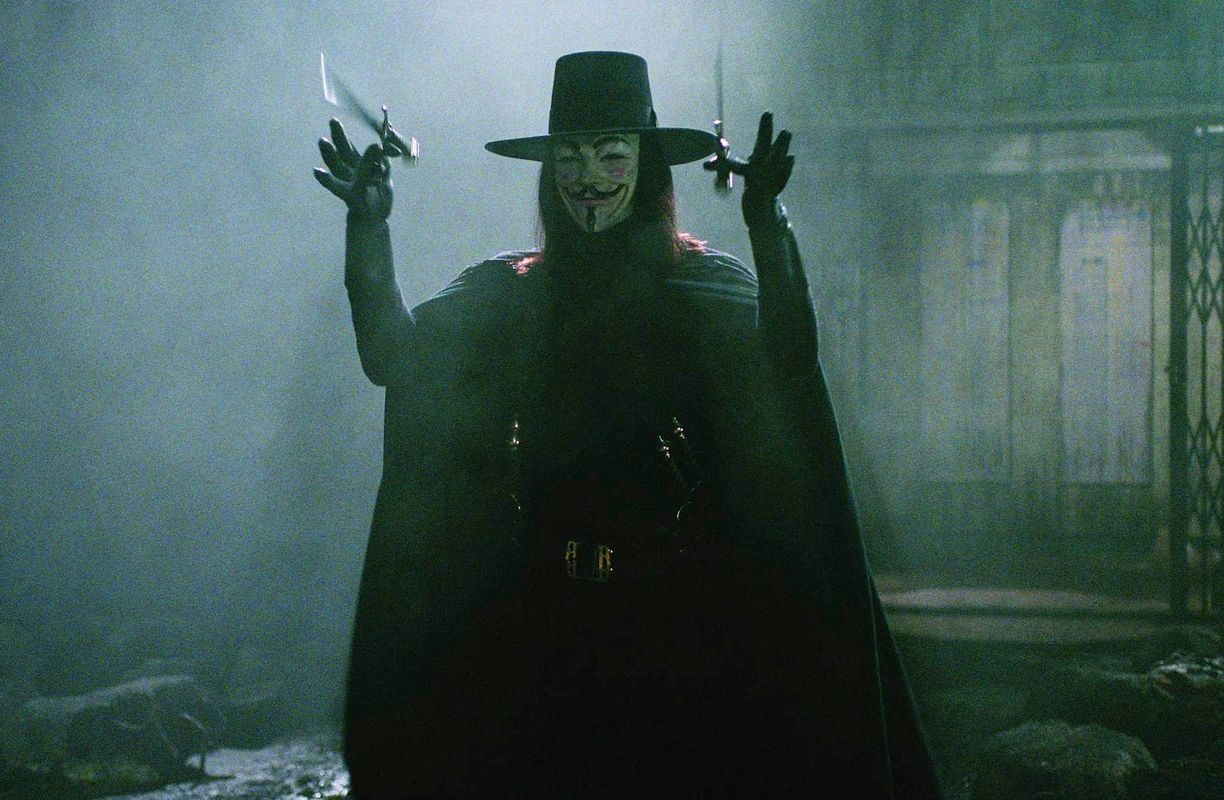
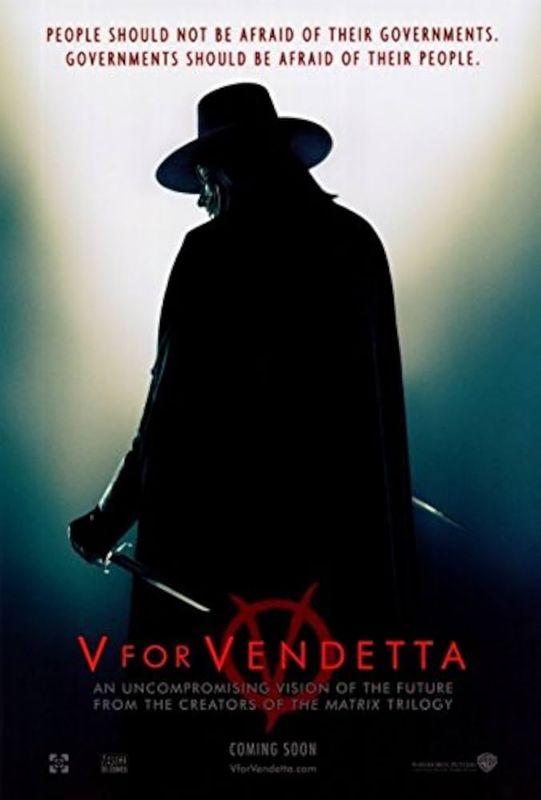
Remember, remember the fifth of November. There is no better date to bring V for Vendetta back to the big screen. Twenty years after its original theatrical release, we present the film once on 5 November, the date on which its story begins and ends.
In the near future, Britain is ruled by a fascist regime. The government controls the population through surveillance, propaganda and fear. Dissenting voices are swiftly silenced, while television tells the public exactly which version of the truth to believe.
When Evey Hammond is attacked by members of the secret police after curfew, she is rescued by a masked man who calls himself V. He takes her to a rooftop, where she watches the Old Bailey explode to the sound of music. V then announces his plan: exactly one year later, on 5 November, he intends to destroy Parliament.
Evey becomes increasingly involved in his struggle. V, however, cannot easily be described as either a hero or a villain. He fights oppression and state violence, yet relies on bombings, manipulation and fear himself. Is he a freedom fighter, a terrorist or both? How much violence can be justified in the name of freedom?
Director James McTeigue adapted the graphic novel by Alan Moore and David Lloyd from a screenplay by Lana and Lilly Wachowski, the filmmakers behind The Matrix. Natalie Portman plays Evey, while Hugo Weaving remains hidden behind V’s now world-famous Guy Fawkes mask throughout the film. John Hurt appears as authoritarian leader Adam Sutler, a striking reversal for the actor who previously played Winston Smith in 1984.
The date of 5 November refers to the Gunpowder Plot of 1605, when Guy Fawkes and his fellow conspirators attempted to destroy the English Parliament. Centuries later, V for Vendetta transformed his mask into an international symbol of protest. The film continues to raise uncomfortable questions about power, media, fear and resistance.
See V for Vendetta at Natlab for one night only on Thursday 5 November.
- Direction
- James McTeigue
- Cast
- Natalie Portman, Hugo Weaving, Stephen Rea en John Hurt
- Duration
- 132 min
- RELEASE
- Mon 13 Feb
- Year
- 2006
- Country
- USA, UK, Germany
- Language
- English
- Subtitles
- Dutch

Make it a full night out
At Natlab, you don’t just come for the film. You come for the whole evening. Start with good food in our café-restaurant, then head into the screening room, and stick around afterwards for a drink.
Our kitchen works with fresh, seasonal ingredients and a menu that moves with the moment. Lunch, dinner or drinks: join us whenever it suits you.
Come early. Stay late. Make a night of it.